
The Kirk Session records held by National Records of Scotland are available to view free on Scotland’s People.
With over 6,000 volumes now online, these church records offer a fantastic insight into the lives of people in Scotland, spanning almost 350 years.
Our colleagues work with both the original volumes and documents as well as digital records in our archives. Church records officer Ruth Jones told us about her experience of working with our collections…
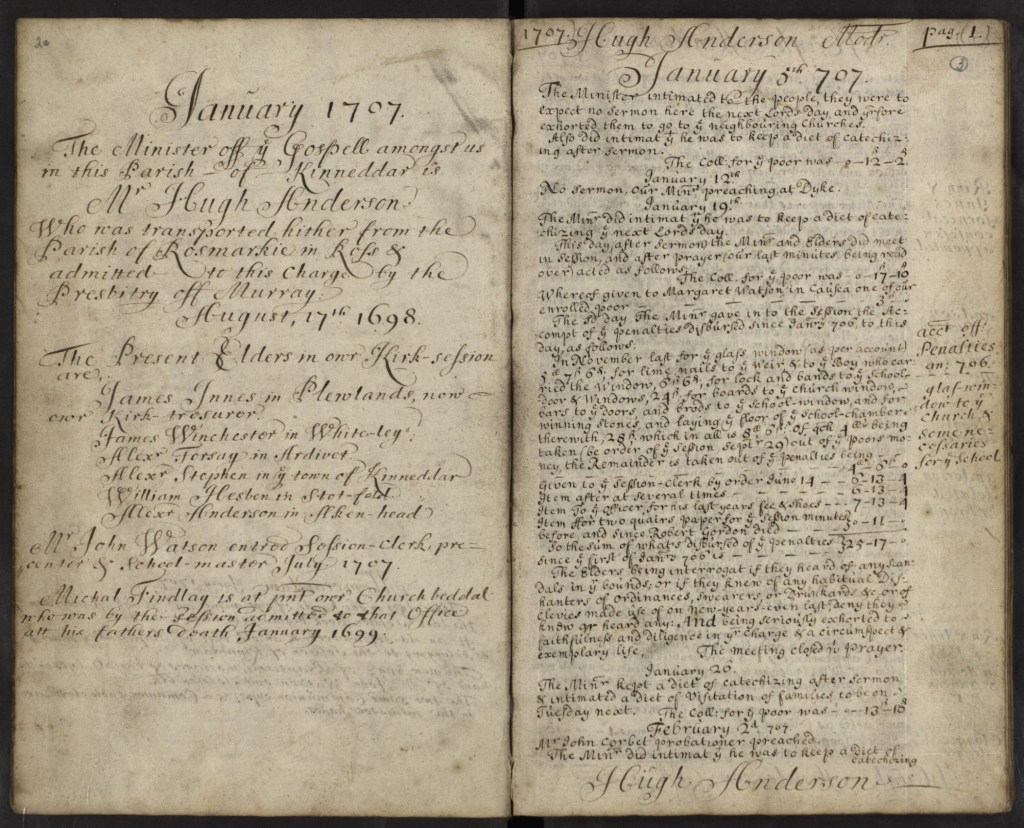
collections.
The main denominational records consist of those of the established church – the Church of Scotland and former Free Church. Many of these record collections come from local kirk sessions and presbyteries, and are deposited with the NRS via the Church of Scotland Head Office in Edinburgh.
They are brought there by local ministers or session clerks, or when churches are closed and congregations amalgamated. NRS also holds collections from other denominations, including the Scottish Episcopalian Church, Roman Catholic Church and Quakers. These records are brought directly to our office by depositors who have agreed arrangements with NRS through the Archive Depositor Liaison team.
Church records can also be found by accident, in lofts or following a house clearance, and they are no longer associated with the parish to which they relate. The stories behind how they got there are often almost as interesting as the records themselves, and it can be quite a challenge to confirm which church they actually belonged to.
I think it is the wide-ranging scope of Scottish church records that makes working with them so interesting. Through these records, dating from the 12th century to the 21st, we can chart progress and reform; dissention and reunion, and all in the context of the wider sweep of Scottish history and constant change in society.
Beyond the immediate considerations and record of religious observance, the records offer a fascinating insight into issues of national significance and reflect on the daily lives of ordinary Scottish people at a local level.
From the official records of the Church of Scotland, we learn a great deal about the workings of the Church during significant episodes in our history; its committees and boards; their debates and decisions on a wide range of subjects, from giving coals to the poor to the ordination of women ministers.
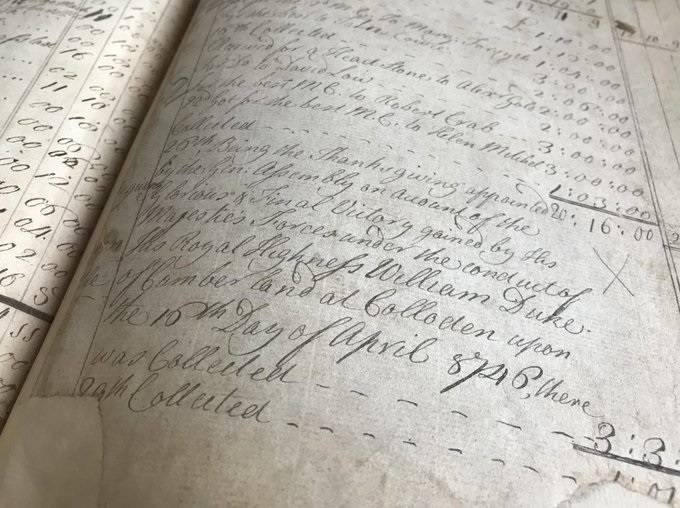
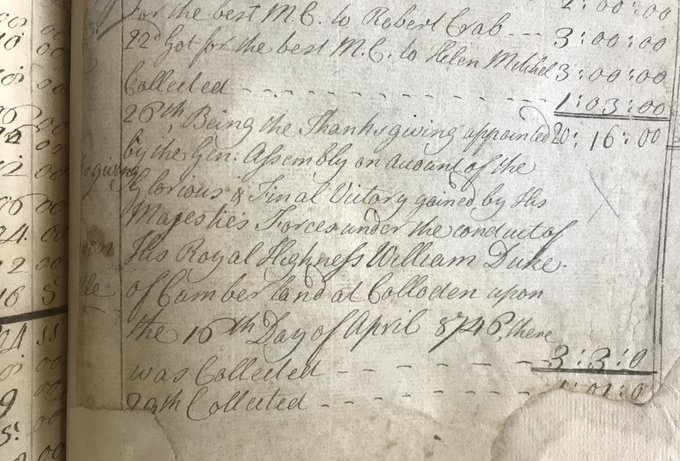
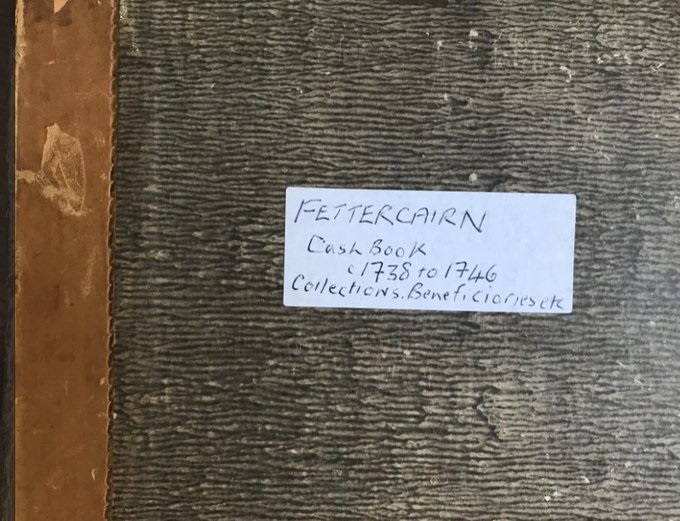
It is the unexpected finds that makes them so fascinating, such as a surprise reference to the victory of government troops over the Jacobite army at the Battle of Culloden in 1746, found in an account book in the parish of Fettercairn.
But often it is the more personal papers, like letters and diaries, that can bring history to life. Spending time reading someone’s personal thoughts and opinions on various subjects can give a sense of getting to know the person, which I find fascinating and absorbing.
Whilst working on records of one particular Edinburgh church, I was sorting papers relating to a minister who had been nominated to receive an OBE. Amongst the official papers was a diary written by the minister’s wife on the day of the investiture.
She describes in some detail her surroundings and the goings on whilst waiting for her husband to receive his award; interesting in itself, but what I found most striking was when she sees her husband entering the room, she suddenly states ‘….and then I saw my Charlie..!’ It was this exclamation of pride and endearment that I found so touching.
If you are interested in finding out more about Scotland’s rich history, from far-reaching national reform to poignant human stories, there is something for everyone within Scottish Church records.
One million images from our Kirk Session records collection are now available to search and view free on Scotland’s People.
This is an updated version of an article first published on Open Book in 2021.
 Open Book