
Hidden in plain sight, General Register House (GRH) is one of the most prominent landmarks on Edinburgh’s New Town Princes Street, yet many do not know the significance of this building. Designed to house the records of the nation, it continues to hold and provide access to some of Scotland’s most essential and precious documents. This is a building of firsts: the first ‘proper repository’ for the records of Scotland; the first purpose-built public record repository in Britain and Ireland. It has a good claim to being the oldest still in-use for its original function.
For this year’s International Archives Day, National Records of Scotland (NRS) reflects on our extraordinary home as we approach the 250th anniversary of the foundation stone being laid. Designed by architect Robert Adam, the story of GRH is inextricably linked to Scotland’s tumultuous history.
Despite two dispersals, one at the hands of Edward I of England in 1296, and one by Oliver Cromwell in 1650 , the surviving records and a large quantity of government and legal documents had accumulated by the early 18th century. The earliest recorded ‘keeper’ of the records was William of Dumfries, a clerk of the rolls of the royal ‘chapel’ or chancery, with payment for his services recorded in 1286. Our earliest record is from 1127, a charter by David I gifting lands to the Church of St Cuthbert.
By the mid-18th century the symbolic and practical importance of protecting and providing access to Scotland’s records, including those of government, land and property, court and legal and more, were evident. A ‘proper repository’ was required. The then Lord Clerk Register, Lord Frederick Campbell (responsible for the safe-keeping of the records), applied for, and received a grant of £12,000 (approximately £1,229,547 today) to build GRH. Scottish architects Robert and James Adam were employed, in 1772 the plans approved, and the foundation stone laid on 27 June 1774.

One of the most striking features of GRH is the central dome or rotunda, now commonly referred to as the Adam Dome. Inspired by the Pantheon in Rome, it is Adam’s highest and largest surviving room and is designed to give access to all parts of the building from one central space.
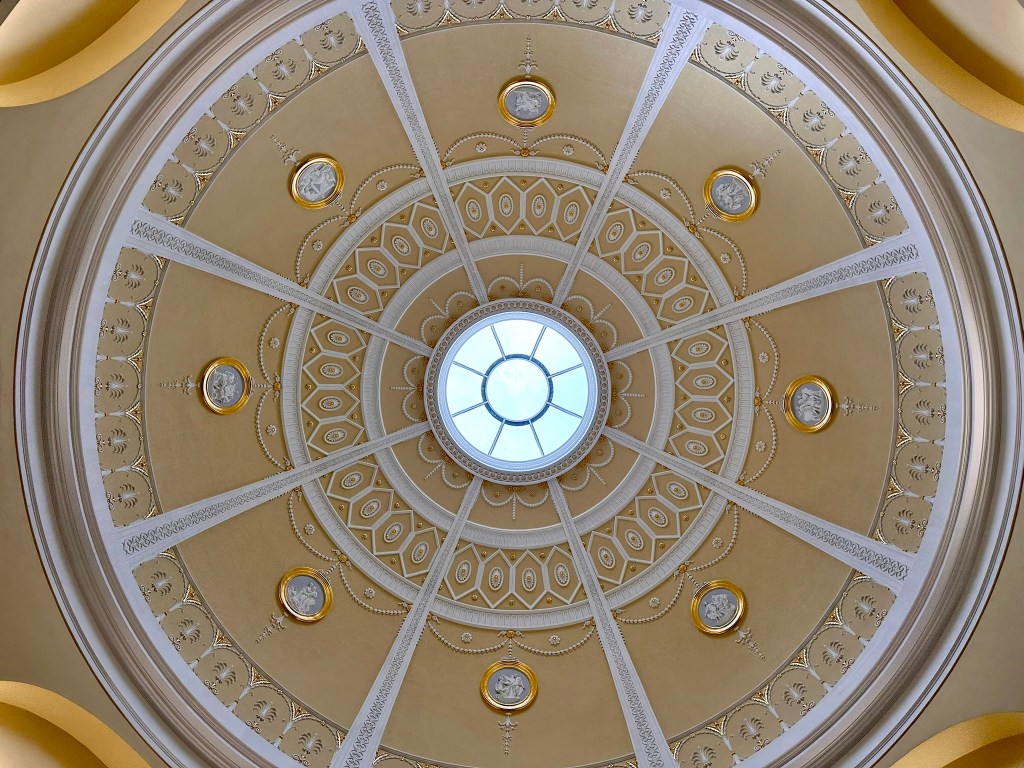
As regards the safe preservation of the records and their accessibility – the two prime considerations of any archivist and conservator – GRH remains a model of functional architecture. The construction of solid stone throughout, including stairs, floors and ceilings, guarantees high security against fire; and the building is so planned to allow the speedy retrieval of documents to the search rooms.

The building continues to serve these functions today. Free access for historical research was established in 1847 and continues via the Historical Search Room, a beautiful space where visitors can register for a reader’s ticket and consult the records preserved within. In addition, there is the ScotlandsPeople Centre, a digital service provided by NRS. The ScotlandsPeople website provides access to images of thousands of records. You can visit in-person, or search the records from the comfort of your own home.
What of the records themselves? There is no organised human undertaking that does not create some form of written record. They are not necessarily beautiful, although some certainly are, and from the oldest to the newest, to the best-known to the apparently un-important, NRS contains much of the documentary heritage that evidences activity of all kinds from every period.

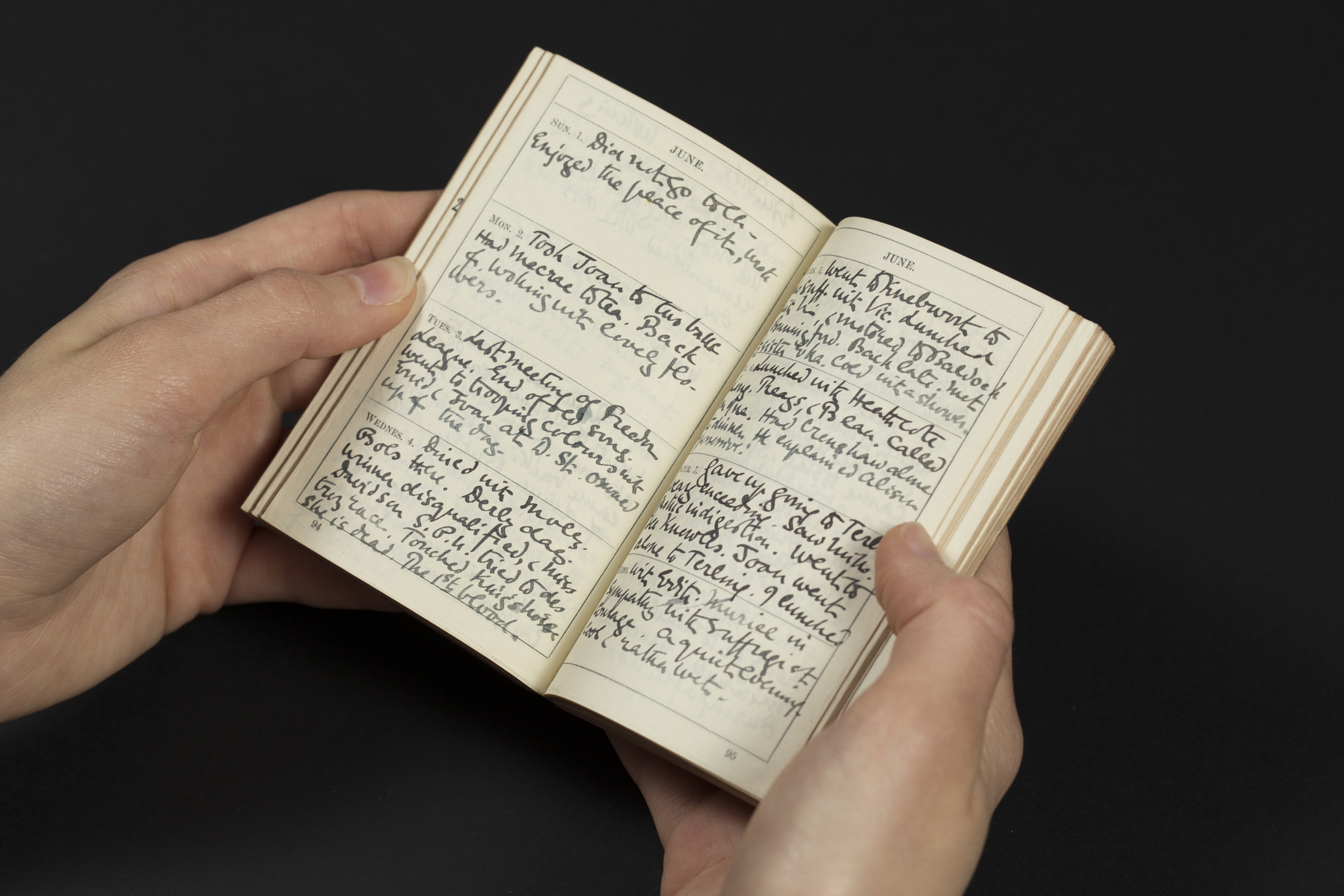


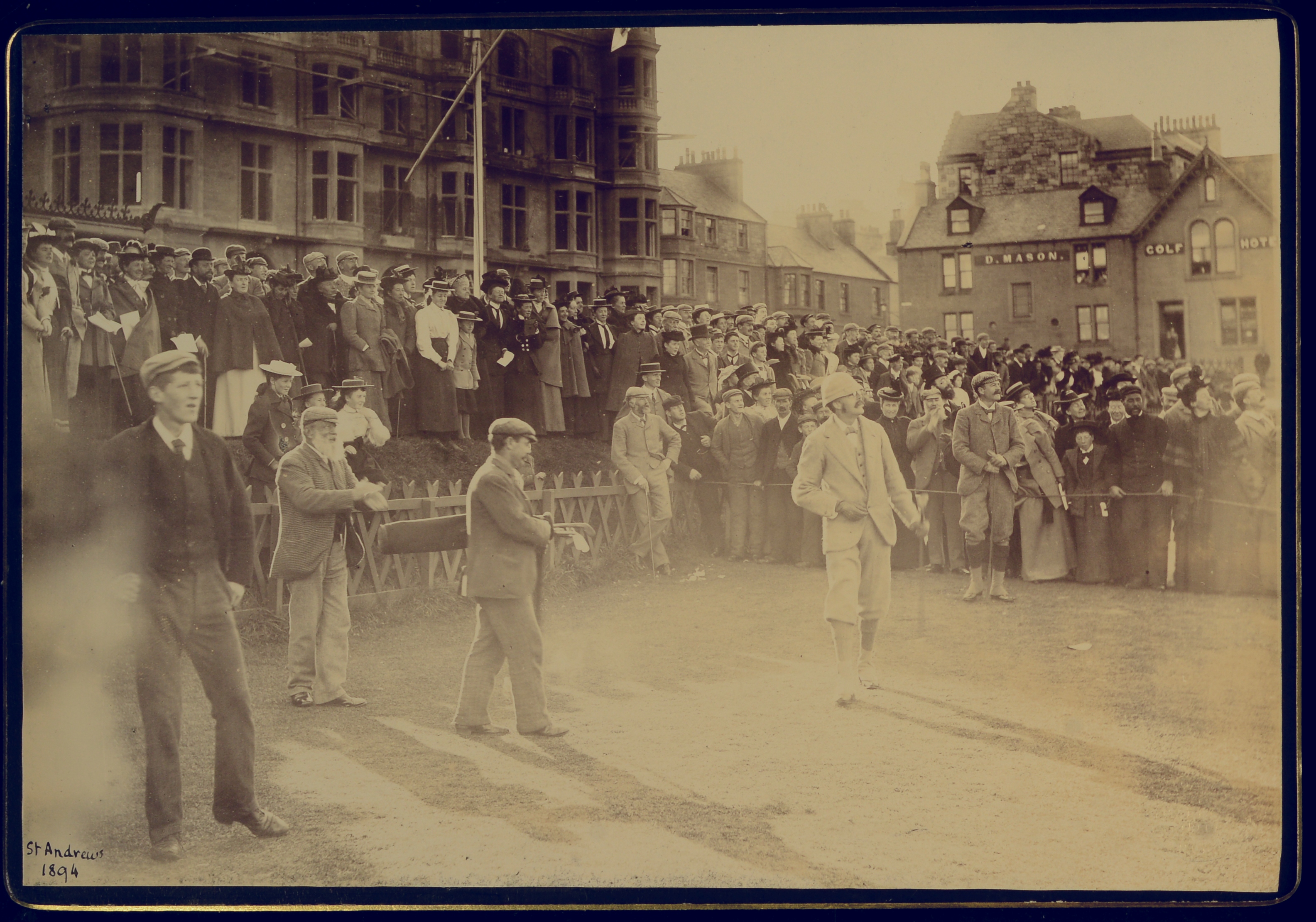
The things for which Scotland has been celebrated and known for – shipbuilding, engineering, education, whisky, emigration, tartan, golf – are held here alongside documents relating to such famous figures as Mary Queen of Scots and Robert Burns. There are also ‘useful’ documents such as our registers of vital events (births, deaths and marriages), the census, church records, valuation rolls and sasines, records of the government in Scotland and those of the courts, which dating from the 16th century , are one of the largest record sets that we hold. These archives are essential in illuminating our past, explaining our present and informing our future.
During the 250th anniversary year (27 June 2024 – 27 June 2025) NRS will mark the occasion, including public tours of General Register House. Please keep an eye on our Eventbrite page.
Tour dates up to August have been released, and more will be added in due course.
Jocelyn Grant
Archivist
 Open Book
Happy 250th anniversary to General Register House! It’s incredible to reflect on the rich history and immense significance of this building, which continues to serve as a vital repository for Scotland’s most precious records. Designed by the esteemed architect Robert Adam, GRH not only stands as a testament to architectural brilliance but also as a symbol of Scotland’s dedication to preserving its history. The Adam Dome, inspired by the Pantheon, is particularly awe-inspiring. SEI
LikeLiked by 1 person